As a full-service environmental remediation firm, Burns Environmental Services
delivers high-quality work in a cost-effective way for residential, commercial,
government and engineering clients. Health and safety are our highest priorities —
we leave no stone unturned in our quest to eradicate hazards and achieve a clean job site.
Environmental Remediation Throughout Southern California
Los Angeles County
Santa Clarita mold remediation, Glendale lead paint removal, Burbank mold remediation, Pasadena water damage restoration, and Long Beach asbestos abatement across all Los Angeles County communities.
Simi Valley mold remediation, Thousand Oaks water damage restoration, Oxnard asbestos abatement, and biohazard cleanup across all Ventura County coastal communities.
Southern California Demolition Guide: Costs, Permits, and What to Expect
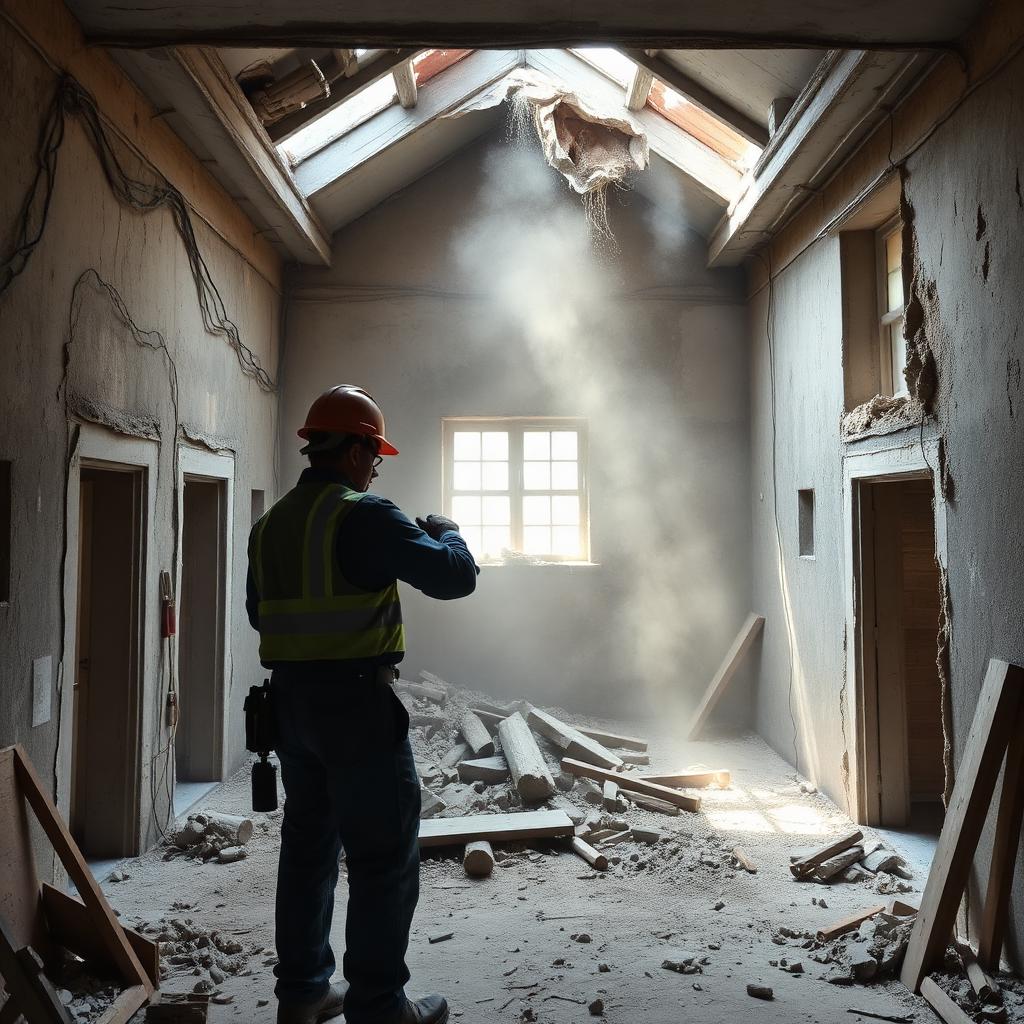
Whether you're leveling a detached garage in Long Beach, taking a house down to the studs in Pasadena, or clearing a small commercial building in Ventura, the two questions we get first are always the same: what does demolition cost per square foot in Los Angeles, and how long do residential demolition permits actually take in SoCal? The honest answer is that both depend on more than square footage — asbestos and lead surveys, utility disconnects, LADBS or county plan check timelines, haul-off tipping fees, and neighbor notification rules all move the number. In our experience, full residential demolition across Los Angeles and Ventura counties typically runs $8–$18 per square foot for a straightforward wood-frame structure, climbing quickly when hazardous materials, tight lot access, or partial-demo shoring get involved. This guide walks through how permits work in the City of LA versus unincorporated county areas, why a pre-demo hazmat survey is legally required (and financially smart), what to expect during utility disconnect coordination with LADWP and SoCal Gas, and how to read a demolition bid so you're comparing apples to apples instead of getting surprised by change orders halfway through the job.
Fire Damage and Smoke Cleanup: A Southern California Homeowner's Guide
After the flames are out and the fire trucks pull away, the hardest part of recovery is just beginning. Smoke odor works its way into drywall, insulation, HVAC ductwork, and even the framing behind your walls — and soot is chemically corrosive, meaning every hour it sits on metal, electronics, and finishes is doing quiet damage. Across Los Angeles and Ventura counties we've walked into homes where the visible char was minor but the smoke penetration was catastrophic, and others where a small kitchen fire required full HVAC decontamination to stop the smell from coming back every time the heat kicked on. This guide covers what professional fire damage cleanup actually involves — soot removal, thermal fogging, ozone and hydroxyl treatment, contents cleaning, and structural deodorization — plus how to work with your insurance adjuster, what to salvage versus replace, and the timeline you should realistically expect before your home feels like home again.
After the Wildfire: How Soot and Ash Compromise Indoor Air Quality
When a wildfire passes through Southern California, the smoke doesn't just clear when the sky turns blue again. Soot and ultrafine ash settle into HVAC systems, upholstery, insulation, and the cavities behind your walls — and they keep off-gassing volatile compounds for weeks. Wiping down counters and changing a filter barely scratches the surface. We've walked into homes six months post-fire where occupants were still getting headaches and sore throats because nobody cleaned the duct runs or the attic insulation. Here's what professional soot remediation actually involves, why HEPA vacuuming and thermal fogging matter, and how to know when your home is genuinely safe to breathe in again.
DIY Renovation? Why Disturbing Old Paint Without RRP Certification Is a Risky Gamble
YouTube makes pulling down old trim and sanding window frames look like a fun Saturday project. What those videos rarely mention is that if your house was built before 1978, that dust you're kicking up could contain lead — and the EPA's Renovation, Repair, and Painting rule wasn't written as a suggestion. Beyond the federal fines, you're putting your own family (and anyone else in the home) at real risk, especially small children whose nervous systems are most vulnerable. We explain what RRP certification actually requires, which projects cross the line from maintenance into regulated renovation, and the simple containment steps that separate a safe weekend from a hazardous one.
Commercial vs. Residential Mold: Why the Approach Isn't the Same
A mold job in a single-family home and a mold job in a 40,000-square-foot office building share a name and almost nothing else. Commercial remediation means coordinating around tenants who still need to work, managing business interruption claims, satisfying property managers, and producing the kind of documentation that holds up if a future buyer's environmental consultant comes asking. The containment is bigger, the air-handling considerations are more complex, and the after-hours scheduling is its own puzzle. We break down how we scope commercial projects differently from residential ones — and why hiring a residential-only contractor for a commercial building usually ends in a re-do.
From Water Damage to Mold: The 48-Hour Window Every Property Owner Should Know
Most mold problems we're called to didn't start as mold problems — they started as a slow supply-line leak, a roof flashing failure, or a dishwasher hose that finally gave up. Inside the first 48 hours after water hits drywall, insulation, or subflooring, the clock starts. Spores that were sitting harmlessly in the air find moisture and food, and a containable dry-out turns into a full remediation project. We walk through what's actually happening behind your walls during those two days, what your insurance adjuster wants to see, and the specific steps — beyond fans and a wet vac — that keep a water loss from becoming a mold claim.
Helping a Hoarding Situation: When Cleanup Becomes a Biohazard Job
Hoarding cleanups are rarely just about clutter. By the time a family member or property manager calls us, there's usually some combination of biological contamination, pest infestation, structural damage, and a person at the center of it all who deserves to be treated with dignity. We approach these jobs as remediation projects, not as judgment — with proper PPE, containment, controlled disposal, and a pace that respects whoever's living through it. Here's what families and landlords can expect from a professional hoarding response, why DIY cleanouts often make the trauma worse, and how we coordinate with social workers and adult protective services when that's the right call.
Asbestos in Schools and Public Buildings: What Parents and Taxpayers Should Know
A huge share of the schools, libraries, and municipal buildings across Southern California were built when asbestos was standard construction material — and AHERA, the federal law that's supposed to manage that risk, only works when districts actually follow it. Inspections get deferred. Management plans gather dust. A pipe fitter pulls a section of insulation during summer maintenance and nobody documents it. We explain what AHERA requires of every school district, what questions parents can ask at a board meeting, and how to read the publicly available management plan for your own kid's campus without needing an environmental degree.
Indoor Air Quality Testing: What the Numbers Actually Mean
Buy a consumer air quality monitor and within an hour you're staring at PM2.5, TVOC, CO2, and formaldehyde readings with no clear sense of which numbers should worry you. Professional testing adds even more acronyms. We translate the alphabet soup into plain language: what each pollutant actually does to your body, which thresholds are normal versus concerning, why a single high reading isn't always a crisis, and when it's worth bringing in a remediation contractor versus opening a window. If you've ever wondered whether your office really is making you tired, this is the breakdown to read first.
Demolition Permits in LA: The Environmental Checklist Contractors Often Miss
Pulling a demolition permit in the City or County of Los Angeles isn't just a structural and zoning exercise — it's an environmental one, and the items contractors most often forget are exactly the ones that stall a project. Pre-demo asbestos survey, lead-based paint assessment, SCAQMD Rule 1403 notification, universal waste handling, and clearance sampling once the dust settles. Miss one and inspectors will happily shut you down. We walk through the full pre-demolition environmental checklist, the realistic timeline for each item, and the order to schedule them so the wrecking ball isn't sitting in your yard waiting on a lab.
VOCs and New Construction: Why Your Brand-New Building Might Still Need Air Testing
It feels counterintuitive to test air quality in a building where everything is brand-new — but new is exactly the problem. Adhesives, sealants, engineered flooring, low-end paint, and freshly installed cabinetry can off-gas formaldehyde and other VOCs for months. Tenants in a new tenant-improvement build-out start complaining about headaches and irritated eyes within the first week of move-in, and nobody connects it to the construction. Post-occupancy air testing gives owners hard data — leverage for warranty claims, evidence for tenant conversations, and a baseline for any future air-quality questions. Here's when to test, what to test for, and how to read the results.
How to Vet an Environmental Remediation Contractor (Without Getting Sold What You Don't Need)
The remediation industry has its share of operators who'll happily quote you a full tear-out when an encapsulation would do, or skip containment to come in cheaper than the bid that's actually safe. The lowest number on a quote sheet is rarely the lowest cost once the project is finished. We share the questions we'd ask any contractor before signing — certifications and license numbers worth verifying, the insurance coverage that actually matters, what a real containment plan looks like in plain language, and the red flags that suggest you're being upsold (or, just as bad, undersold). Use it whether or not you ever call us.
Asbestos Removal vs. Encapsulation: Which Is Right for Your Property?
If your building went up before 1980, there's a good chance asbestos is hiding somewhere — popcorn ceilings, pipe wrap, old vinyl tile. The instinct is usually to rip it all out, but that's not always the smartest move. Encapsulation seals the material in place and can save tens of thousands of dollars when the asbestos is intact and undisturbed. Full removal makes sense when you're remodeling, when the material is already damaged, or when a sale is on the line. Here's how we help owners decide which path actually fits their building, their budget, and their timeline.
What to Do Immediately After a Biohazard Incident at Your Business
The first hour after a biohazard incident — a trauma scene, a sewage backup, a chemical spill — sets the tone for everything that follows: employee safety, insurance recovery, even potential litigation. Most managers freeze because they've never had to make these calls before, and that's completely understandable. This guide walks through exactly what to do in the first 60 minutes: who to call, what not to touch, how to document the scene for your carrier, and when OSHA reporting kicks in. Keep it somewhere your team can find it before they need it.
5 Signs Your Los Angeles Home Needs Mold Remediation (Not Just Cleaning)
A little mildew on the shower grout is one thing. Mold colonizing the back of your drywall after a slow plumbing leak is something else entirely — and a spray bottle of bleach isn't going to fix it. Between LA's older housing stock and the humidity that rolls in off the coast, we see this constantly. If you're noticing musty smells that won't quit, recurring allergy symptoms that ease up when you leave the house, warped baseboards, or discoloration that keeps coming back after you wipe it down, the problem is almost certainly behind the surface. Here are the five red flags that tell us it's time to test, contain, and remediate.
Lead-Based Paint Rules for California Landlords: What RRP Means for Rental Properties
If you own a rental built before 1978, federal RRP rules and California's own disclosure laws apply to you — whether you knew it or not. The fines for getting this wrong aren't small, and tenants (especially families with young kids) are increasingly aware of their rights. We break down what RRP-certified actually means, which renovations trigger it, what you have to disclose at lease signing, and the specific paperwork that protects you if a claim ever lands on your desk. Written for LA and Ventura County investors who'd rather spend their weekend on anything other than EPA paperwork.
The Hidden Cost of Skipping Post-Demolition Environmental Clearance
Demolition feels like the finish line, but for contractors and developers, it's actually a permitting checkpoint. Skip the post-demo environmental clearance and you can end up with stalled inspections, a buyer's environmental consultant flagging your site months later, or — worst case — personal liability for contamination you never put there. Clearance testing is cheap insurance: a few days of sampling and a signed report that follows the parcel forever. We walk through what's tested for, what triggers a re-do, and how to fold clearance into your project schedule so the next build doesn't sit waiting on a lab.
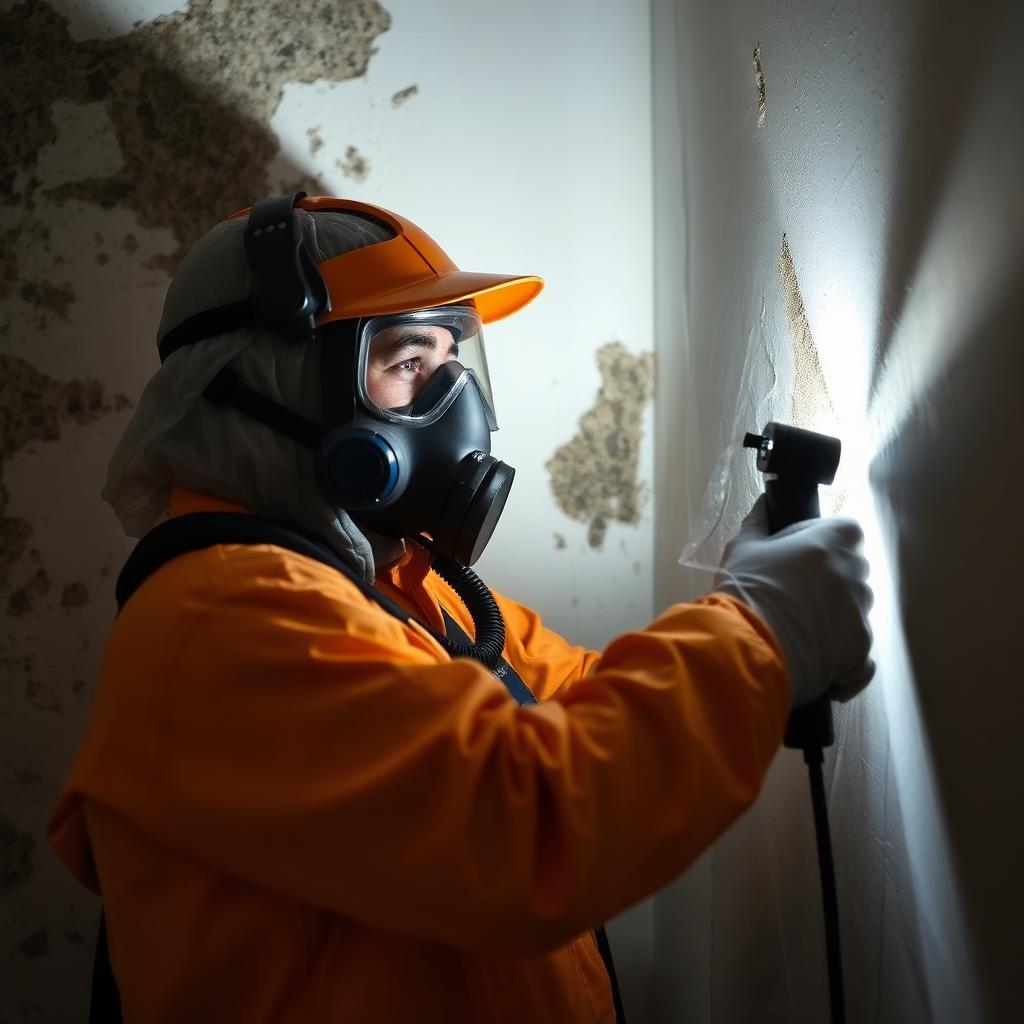
The Dangers of Mold: Why Prompt Remediation is Essential
Mold isn't just unsightly — it's a serious health hazard. Here's why fast, professional remediation matters.
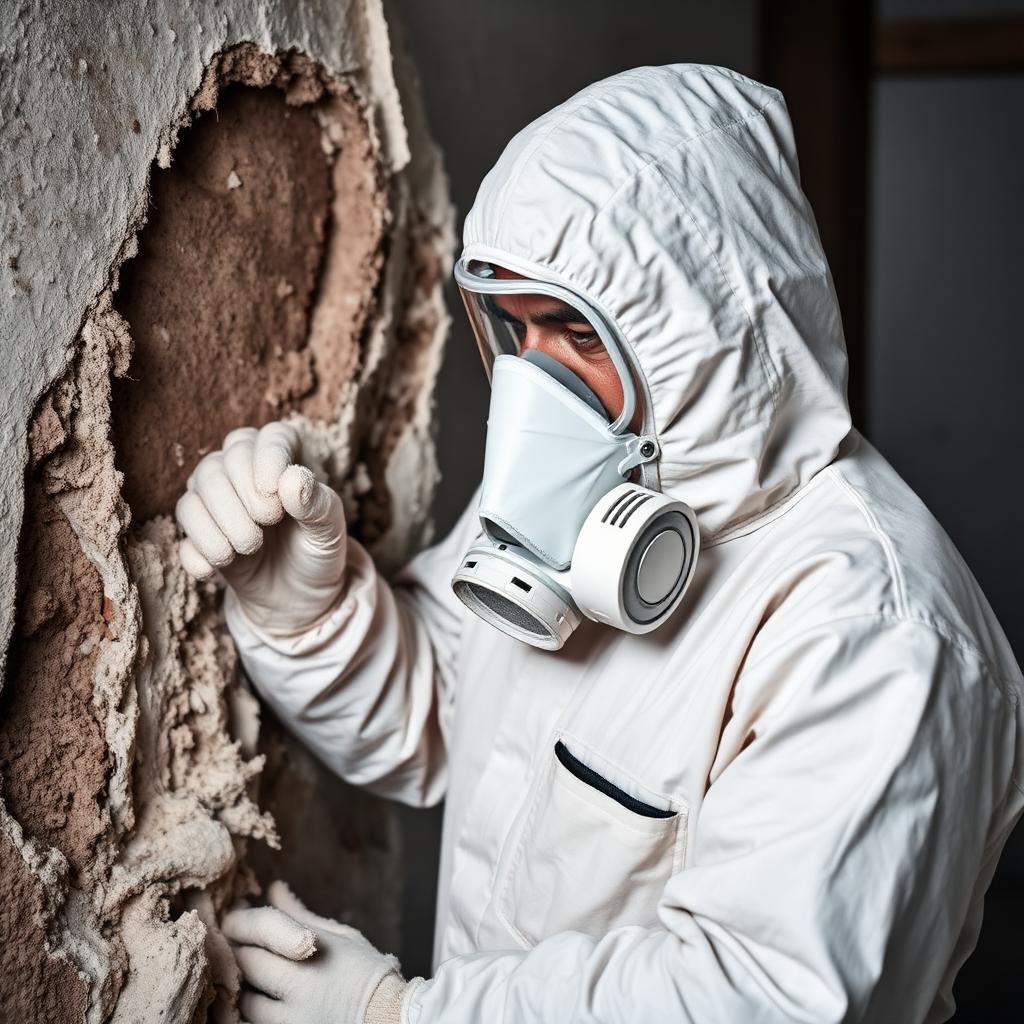
The Hidden Dangers of Asbestos in Older Los Angeles Homes
Many homes built before 1980 contain asbestos. Learn how to identify the risk and what to do next.
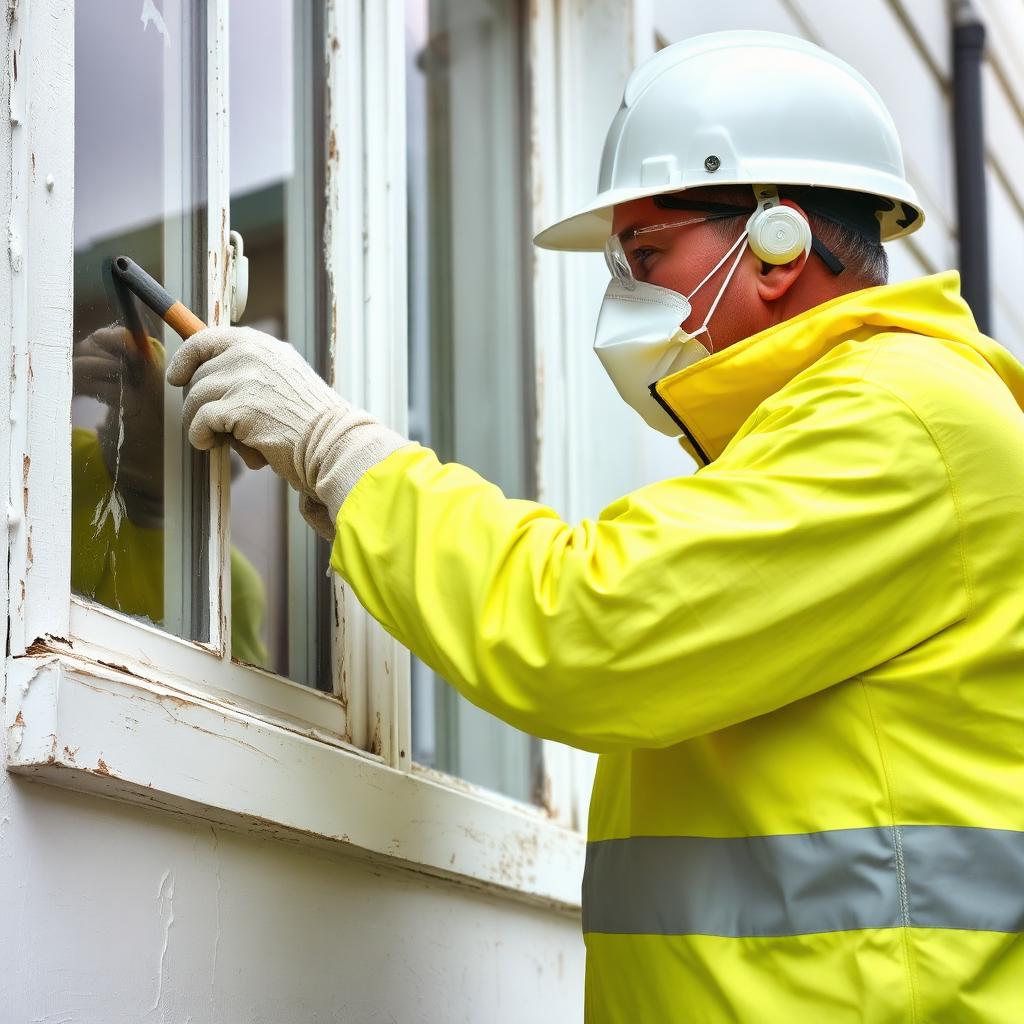
Understanding Lead-Based Paint Removal
Lead exposure is especially dangerous for children. Here's how professional abatement protects your family.
Ready when you are
Get Your Free Environmental Assessment | 24/7 Emergency Response
Our team responds quickly across Southern California — 24/7 emergency service available.